MF / 03.03
Money & Stewardship
Planning Church Fundraising Events in Your Own Building
Formats, volunteer roles, timelines, and the receipting details that make a church fundraising event worth its evening, and worth its building.
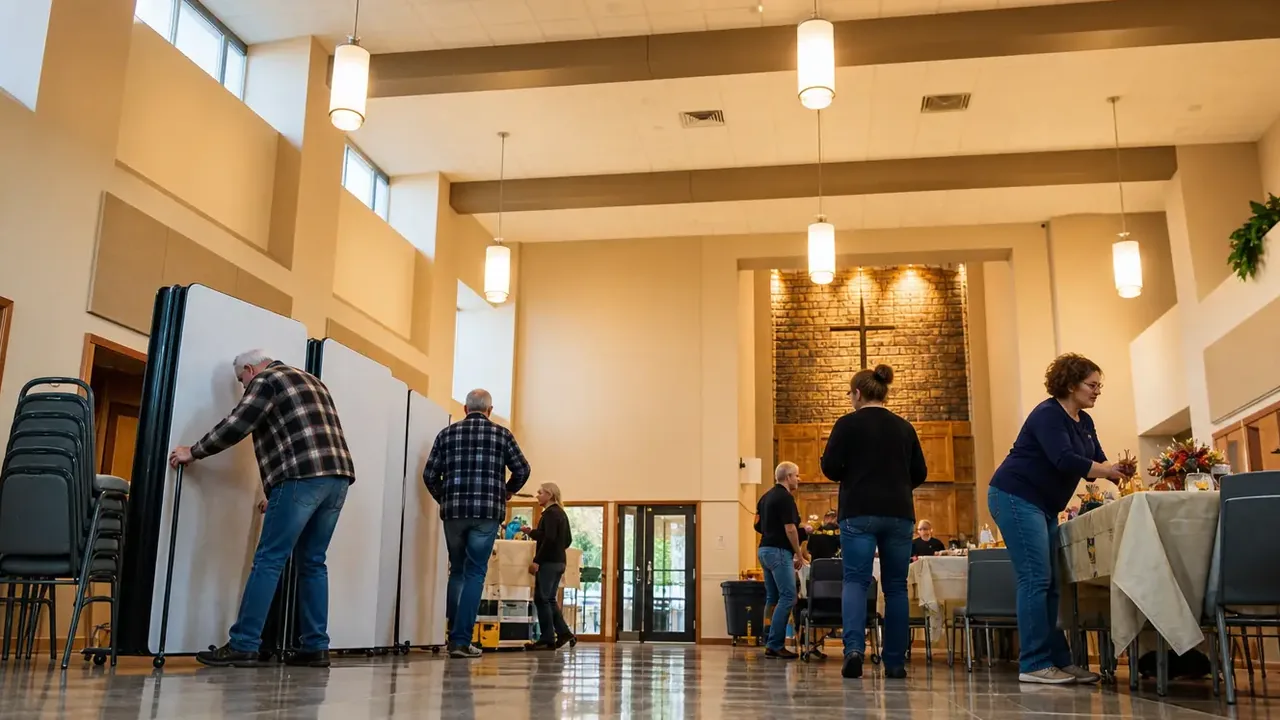
An event is the most visible way a church raises money, and the easiest way to lose money while looking busy. The difference between the banquet everyone remembers fondly and the one the treasurer remembers grimly is rarely the idea. It is the logistics: the roles assigned before tickets went on sale, the budget written before the caterer was called, the receipting sorted before the first guest paid.
Let us start with a word of proportion, because it frames everything else. Events may have community-building or outreach goals as well as financial ones. If pure return per volunteer hour is the goal, compare an event with a simpler appeal using your own budget and prior results. The comparison worksheet provides a method. Choose an event only after naming its financial and non-financial goals. For where events sit in the whole picture, start with the framework.
There is one more reason this publication cares about church events: most of them happen in your own building, which means the fellowship hall, the kitchen, the parking, and the setup crew are all part of the plan. An event plan that ignores the building is half a plan.
The Formats Churches Actually Use
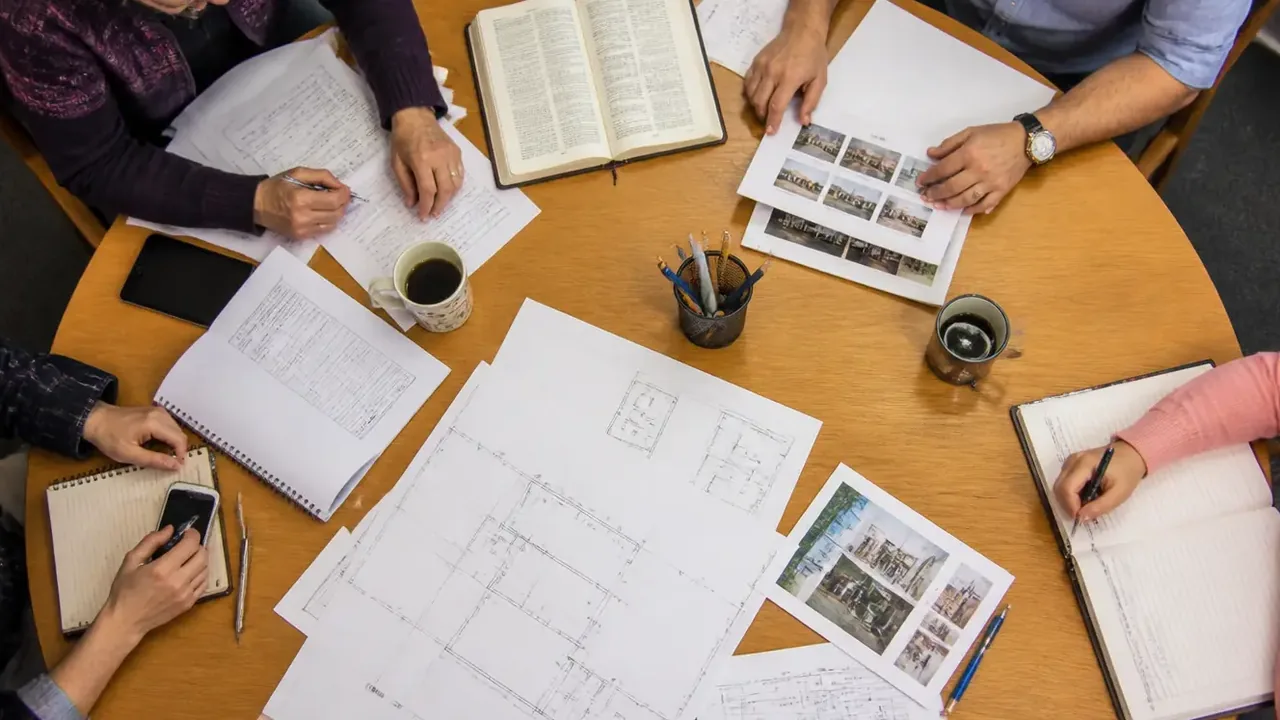
The banquet or fundraising dinner. A ticketed meal with a short program and an optional direct appeal. Price the ticket and any additional ask from a written budget; do not assume one will cover the other. It may fit a defined goal the congregation understands.
The auction, silent or live. Donated items may reduce inventory cost, but platform, payment, fulfillment, valuation, receipting, and volunteer costs still affect the result. A silent auction of small items can pair with a banquet; a short live auction changes the staffing and schedule; and a fund-a-need moment should be recorded separately so the committee can compare it with auction proceeds.
The benefit concert. Your own musicians, a guest artist, or a community choir, funded by tickets or a free-will offering. Low cost, strong outreach, and a natural fit for a congregation with a music ministry and a room it loves to hear music in.
The fun run, golf outing, or trivia night. Registration plus local sponsorship. Sponsors, not entry fees, drive whatever profit there is, so recruit them early. Trivia night deserves special mention as the easiest first event a smaller church can run: low cost, high laughter, and the fellowship hall you already have.
The festival or fall fair. High community value, high volunteer load, thin margins from many small transactions. Treat it honestly as outreach that also raises some money, never as a profit center, and only attempt it with a deep volunteer base.
The Building Is Part of the Plan
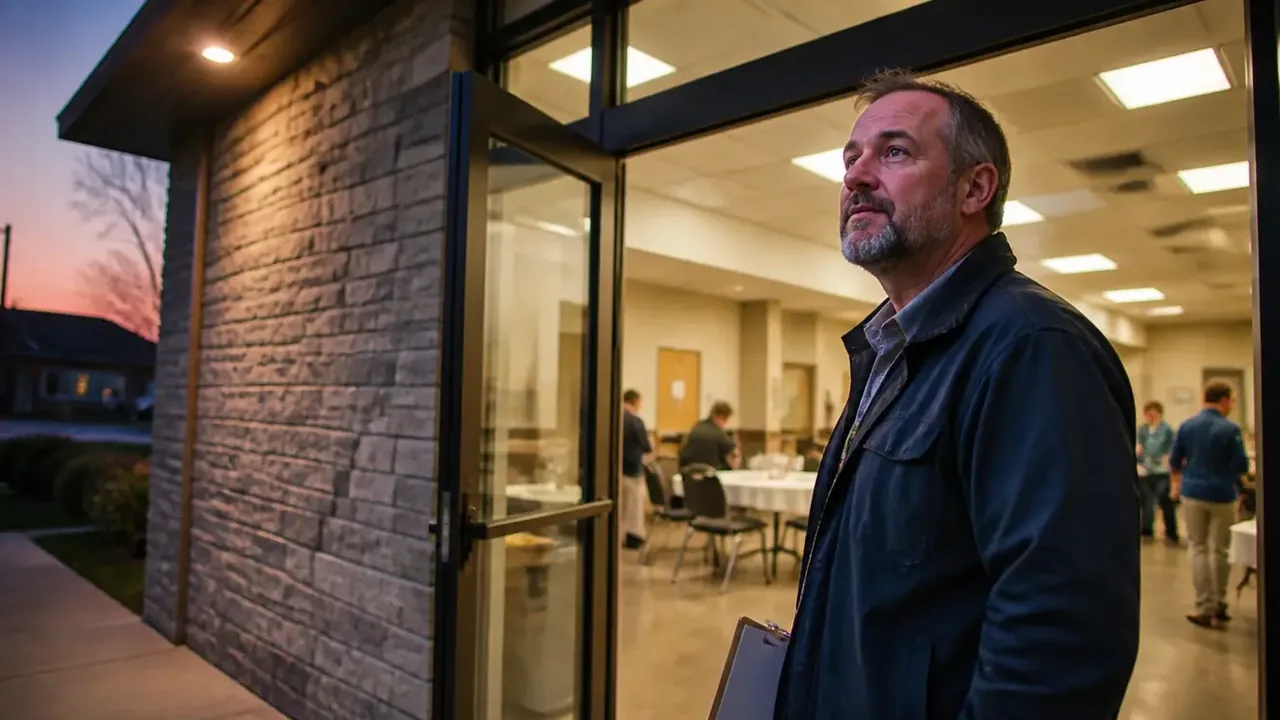
Before any format is chosen, walk the spaces it will use. Does the kitchen actually support the menu, or will everything arrive in warming trays? How many tables and chairs does the hall genuinely hold with room to serve, and who sets them up and takes them down? Where do guests park, and is the path from the lot to the hall lit and step-free for the older neighbors you hope will come? A congregation that has thought about its fellowship hall as a working room will find event planning dramatically easier, because the storage, the setup burden, and the reset are already solved problems.
Two building matters deserve a call before the event, not after: your insurer, who will have views on serving food, on alcohol if your tradition permits it, and on non-member guests; and (for anything involving candles, cooking beyond the kitchen, or unusually large crowds) your local fire authority, who has the final word on how many people the room may hold and how it must be kept exit-safe. Neither call is difficult. Both are much pleasanter in advance.
Receipts, Games, and Clean Money
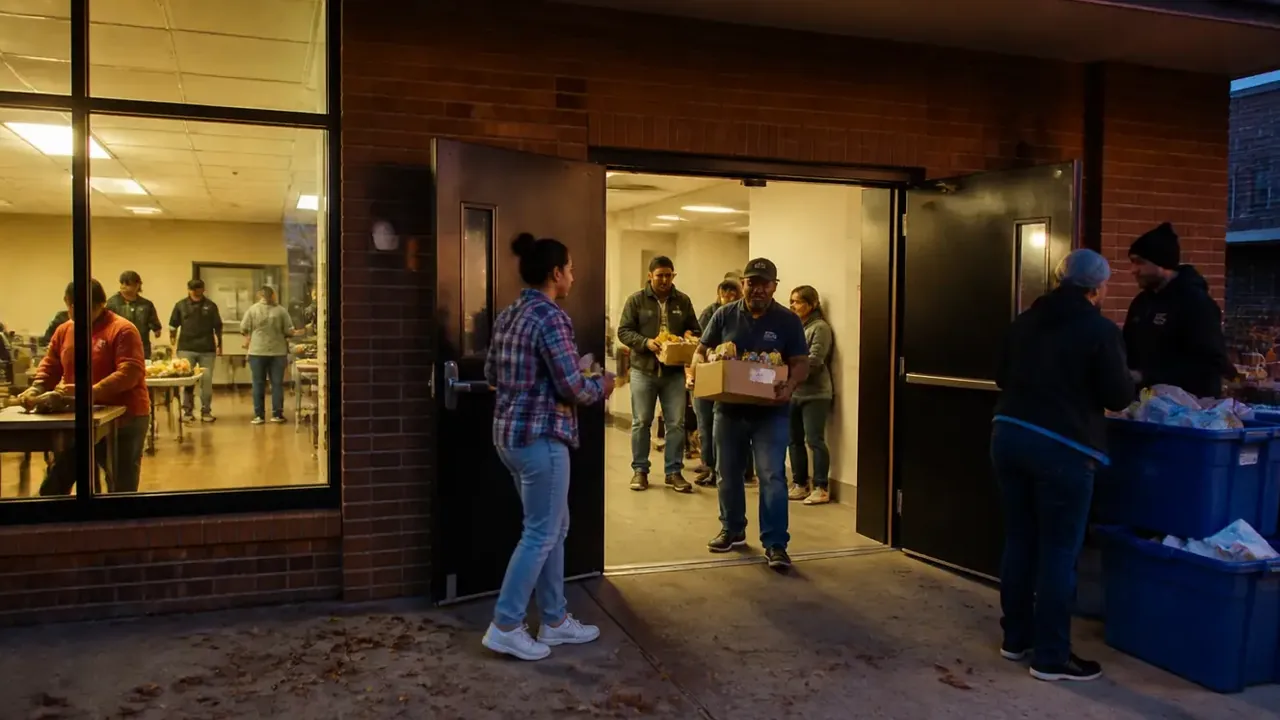
Whenever a guest pays and receives something in return (a meal, a seat, or an auction item), the deductible or receiptable amount may be reduced and disclosure rules may apply. In the United States, review the IRS quid pro quo contribution rules; in Canada, review the CRA split-receipting rules. Decide the treatment before tickets are printed, and let the treasurer read the current rules rather than relying on what last year's committee remembered.
Raffles and games of chance are regulated separately: often at the state or provincial level, and often more tightly than committees expect. Do not add a raffle casually; someone checks the rules first, every time.
And handle the cash with visible integrity: two unrelated people counting together, proceeds for the named cause tracked separately and spent as promised, and the net reported to the congregation. At an event with money moving in the dark of a happy evening, this is not optional bookkeeping. It is how the next event inherits trust.
Seven Roles, Assigned Early
Assign these before a single ticket is sold, and give each a clear scope:
- Event director: one accountable owner, not a committee of equals
- Logistics lead: venue, tables, setup, teardown, and the reset that leaves the hall ready for Sunday
- Food lead: menu, kitchen, servers
- Program lead: the run of show, the speaker, and the appeal
- Tickets and sponsorship lead: sales, sponsors, the guest list
- Finance lead: counting, receipts, disclosures
- Hospitality crew: greeting, seating, thanking guests by name
Youth groups make superb hospitality and serving crews, and the evening teaches them something no lesson can: more on that here.
A Working Eight-Week Timeline
- Weeks one and two: pick the format, set the goal and the floor, recruit the director and leads, confirm the building and the date.
- Weeks three and four: line up food, program, sponsors, and any permits; open ticket sales; make the insurer call.
- Weeks five and six: promote through every channel the congregation actually reads, and secure auction or sponsor commitments.
- Week seven: confirm counts, volunteers, setup plan, and the run of show.
- Week eight: execute, then within one week, send thank-yous and receipts, reset the building, and report the net to the whole congregation.
The Ask Is the Event
The single biggest lever of the evening is the moment of the ask, and most churches waste it. A rambling, apologetic, ten-minute plea raises less than a crisp, confident five-minute one. Build the appeal deliberately: open with one specific story that shows the need in human terms, state the goal and the amount you are asking the room to consider tonight, make giving effortless in that moment, then say thank you and stop. Rehearse it, time it, and give it to your most trusted communicator, not to whoever happens to be holding the microphone.
Budget the whole evening before you commit, listing every expense down to the printing and the processing fees, and set the floor below which the event was not worth its hours. Chase donated goods and services cheerfully, because a donated meal can swing the whole margin. Track the actual numbers afterward, so next year's committee inherits arithmetic instead of optimism. An event that raises money on paper while draining the general fund in overruns is a loss wearing a name tag, but an event that is planned like this, in a building that was ready for it, gives the congregation both the money and an evening it will still be talking about at the annual meeting.