MF / 06.02
Seasons of Church Life
Easter and Other Big Sundays: Planning for the Full Room
How boards prepare the building for its fullest mornings: honest capacity, overflow with dignity, signage for strangers, and the debrief that pays all year.
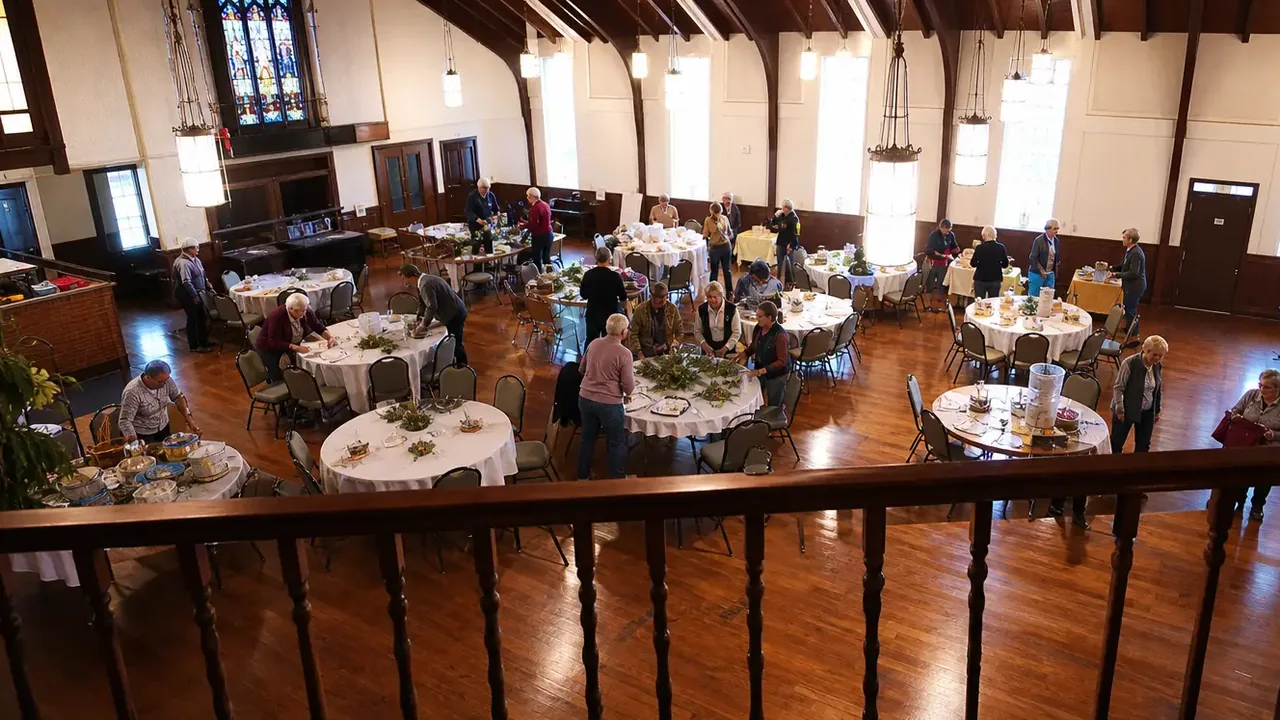
Every congregation has a handful of Sundays when the room fills: Easter above all, but also Christmas-adjacent Sundays, confirmations, baptisms with big families, anniversary celebrations, and the bittersweet full houses that follow a beloved member's funeral. On those mornings your building hosts two congregations at once: the one that knows where everything is, and the one that does not.
It is fashionable, in some circles, to grumble about the twice-a-year crowd. We would like to talk you out of it, at least as far as the building is concerned. The people who come only on the big days are guests, and the facilities question is the hospitality question: does this building make it easy for a stranger to park, enter, sit, hear, take a restless toddler somewhere kind, and find the restroom, all without asking? A congregation cannot control who returns after Easter. It can absolutely control whether the building gave them a reason not to.
There is a second gift hidden in the full room, and we will get to it at the end: a crowded Sunday is the most honest facilities audit your building will ever receive, free of charge, if someone is assigned to watch.
Know What Full Actually Means
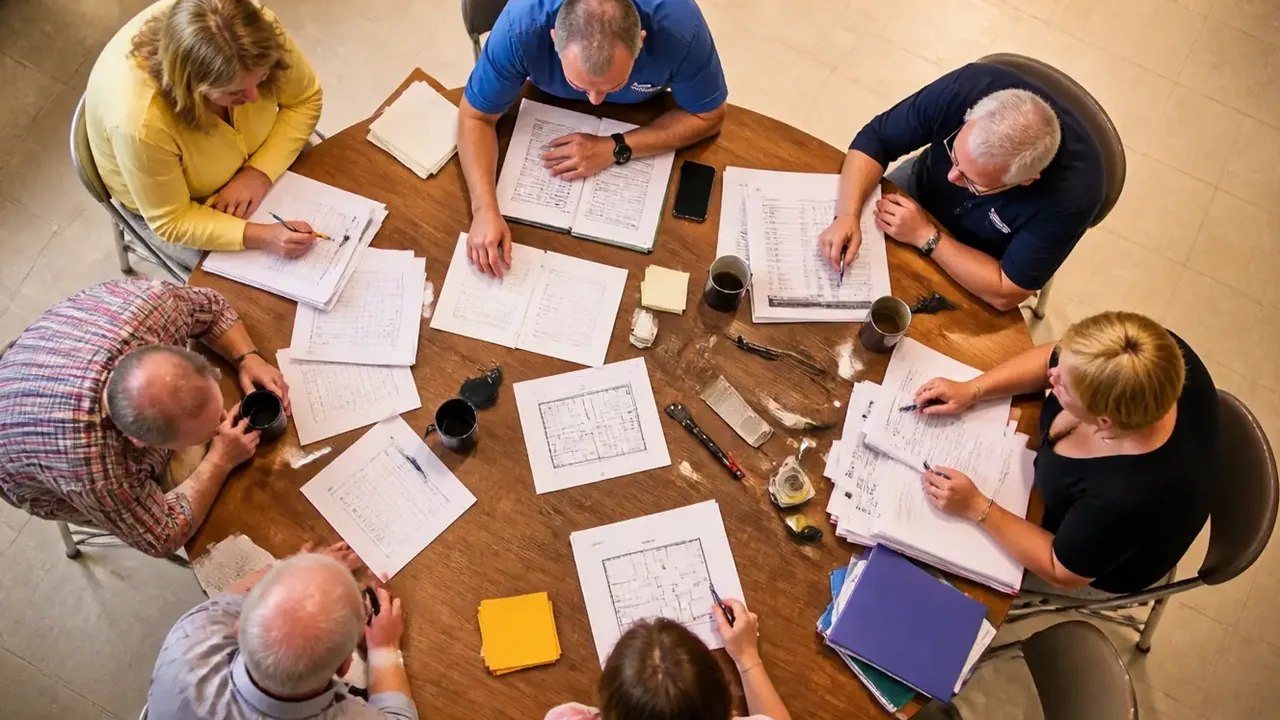
Big-Sunday planning starts with the same homework as everything else in this library: an honest capacity number. Not folklore, not the certificate in the office frame, but the real, measured answer to how many people this room seats the way people actually sit: coats, families, buffer seats and all. If your board has never done that morning of tape-measure work, our capacity guide walks through it, and Easter is the best reason on the calendar to have the number in hand.
Two figures from that work matter here. The first is the rated occupancy set by your fire marshal or local authority having jurisdiction: a legal ceiling, and the big Sundays are the only mornings most congregations ever approach it. If yours does, how to handle it is a conversation to have with that authority in advance, not a judgment call for an usher at 9:55.
The second is the congregation's observed crowding point: when arriving households can no longer find adjacent seats even though isolated spaces remain. Do not import an 80-percent rule; record what happens in this room. On a peak Sunday, brief ushers on accessible and companion seating, reserved areas, household seating, and the point at which the approved overflow plan begins. Never add or squeeze seating beyond the configuration allowed by the authority having jurisdiction.
Overflow With Dignity
If attendance may exceed what the room welcomes well, decide now what happens next, because the improvised version, folding chairs hurried into the back while a family stands awkwardly in the aisle, serves nobody, and extra seating in aisles or in front of exits is exactly what your local authority's rules exist to prevent.
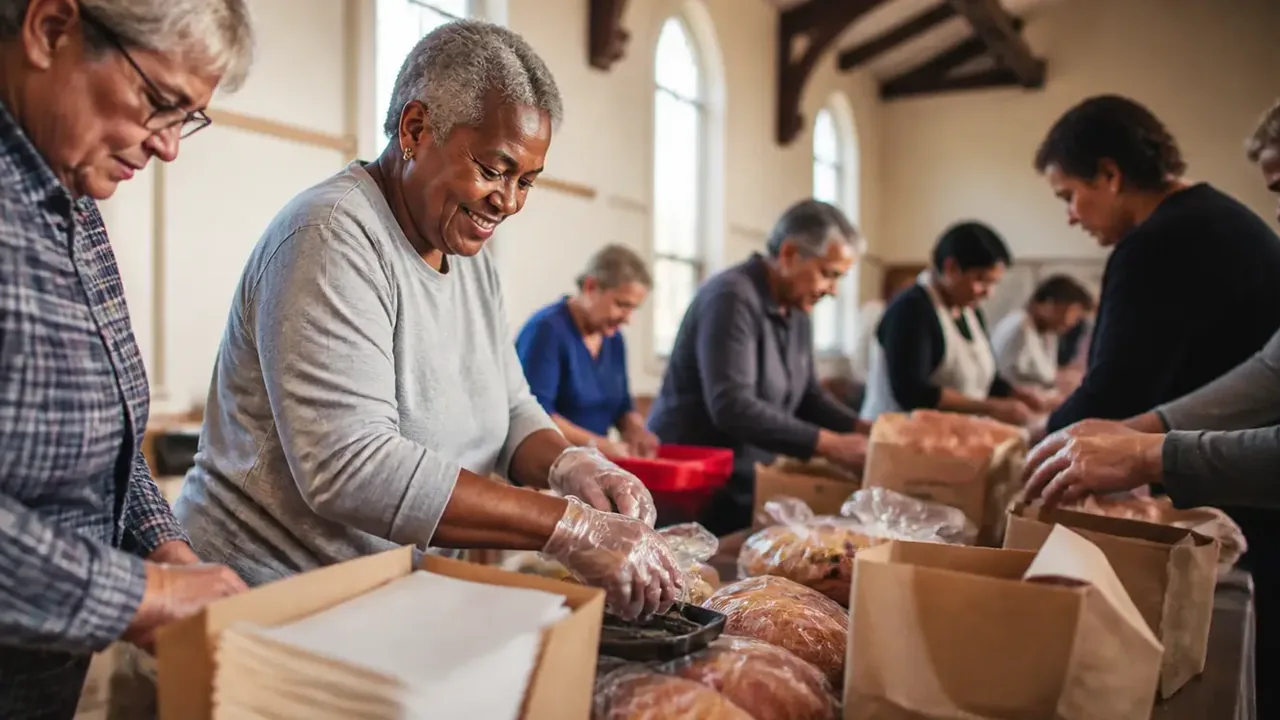
Good overflow is a prepared second room, not a punishment. A fellowship hall set in advance with rows, a sound feed at minimum, bulletins, and its own greeters can be a genuinely warm place to worship. Some regulars will choose it, especially those with wiggly children who appreciate the lower stakes. What makes overflow sting is surprise and abandonment; what redeems it is preparation and company. Assign someone to host the room, not just unlock it.
The other honest response to chronic big-Sunday overflow is an added service, which is a larger conversation about worship life, not just logistics. Our companion piece on planning for congregation growth takes that question up properly. If every ordinary Sunday is comfortable and only Easter overflows, overflow seating is the right tool. If the ordinary Sundays are creeping toward full, Easter is not your problem; it is your preview.
The Stranger's Path Through the Building
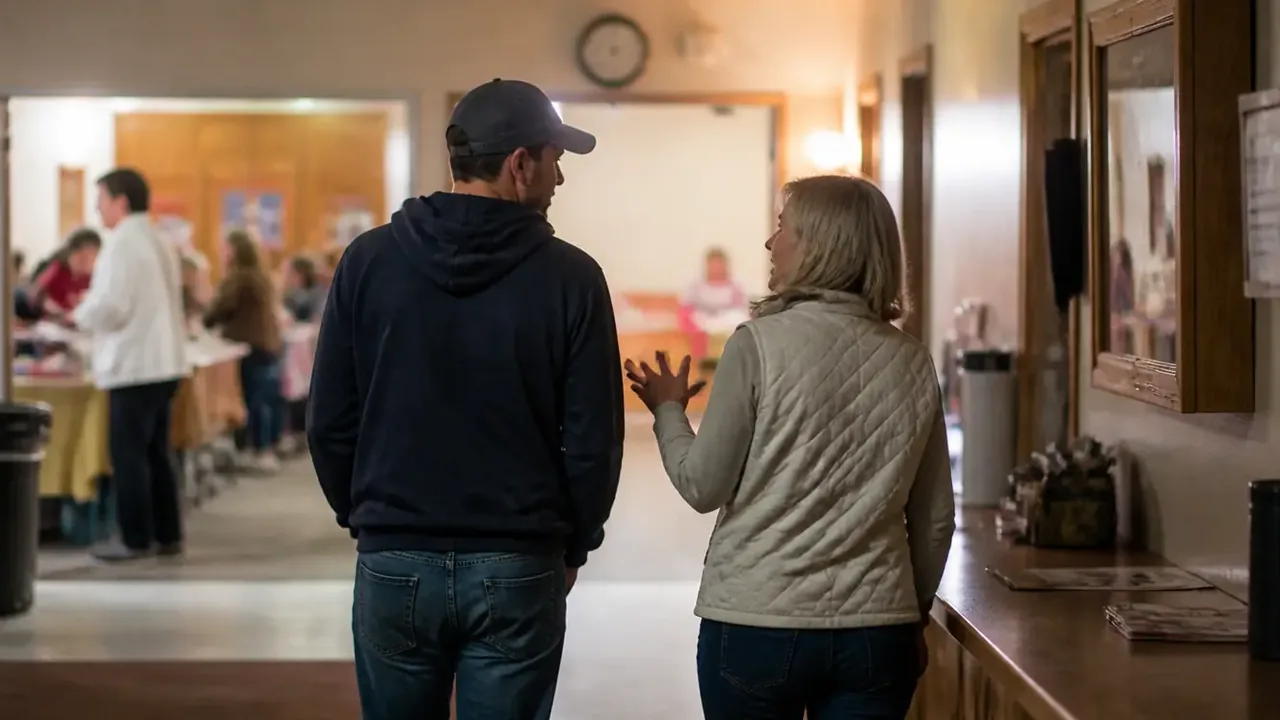
Now walk the building as the guest walks it. Better: recruit someone who genuinely does not know the building (a new member of a few weeks, a friendly neighbor) and follow them through a cold start. Where do they hesitate?
- Parking and arrival. The big Sundays fill lots and spill onto streets. Cones, a volunteer or two in reflective vests, and a decision about where latecomers go spare everyone the slow-motion lot standoff. Keep the accessible spaces and the route from them sacrosanct. The morning the lot overflows is the morning someone parks a minivan across the ramp.
- Doors. Guests aim for the biggest, most formal door, which in many older buildings is not the door the congregation actually uses. On big Sundays, either open it, staff it, or sign it. A locked front door on Easter morning is a sermon nobody meant to preach.
- Signage. Restrooms, nursery, elevator if you have one, overflow seating. Regulars navigate by memory; guests navigate by signs, and most church buildings have almost none. Our guide to wayfinding and signage covers doing this gracefully, but even taped paper arrows on Easter beat elegant nothing.
- The nursery. Big Sundays bring guest families with small children to a nursery running at twice its usual census. Staff it up, and make sure the check-in habit holds under load. Safe-environment practices matter more with unfamiliar families, not less, and a calm, well-run nursery may be the single most persuasive room a visiting parent sees.
- Hearing and seeing. Full rooms are loud, coats muffle sound, and guests will not know you have hearing assistance unless a sign or a greeter tells them.
Scale Up the People
Whatever the building lacks, people can cover, but only people who were asked. Big Sundays need more greeters, more ushers, and a wider spread: someone near the restrooms, someone at the secondary entrance, someone hosting overflow, someone floating with the sole job of noticing the lost. Brief them the week before, ten minutes after worship: here is the plan, here is where overflow goes, here is what to say when the room looks full, here is who decides. Ushers improvising conflicting answers at the door is how a full church becomes a flustered one.
And say the quiet part in the briefing: the goal is that no guest has to ask for anything twice, and nobody gets scolded on Easter. Not about parking, not about saved pews, not about a crying baby. Whatever must be corrected can be corrected in May.
The Free Audit
Here is the gift. On an ordinary Sunday your building is tested at half load and passes easily. On Easter it is tested at full load, and every weakness announces itself: the pinch point at the narthex doors, the restroom queue, the coat pile, the corner where strollers accumulate, the step everyone stumbles on in the crowd, the sound system straining over a full room's rustle.
So assign one person (not an usher, not a greeter, someone free of duties) to spend the morning watching the building work. A notepad, a slow wander, a list: where did lines form, where did people hesitate, what ran out, what jammed, who couldn't find what. Then put twenty minutes on the next board agenda while memory is fresh, and fold the findings into your facilities audit file and next year's budget conversation.
Congregations pay real money for consultants to tell them how their building performs under load. Easter tells you for free, every single year, at eleven in the morning. The only discipline is writing it down, and then being the kind of board, next spring, that reads its own notes.