MF / 01.03
Committees & Decisions
Chartering a Property Committee That People Want to Serve On
How to charter a church property committee with a clear mandate, a humane size, real minutes, and a rotation plan that prevents burnout and hoarded knowledge.
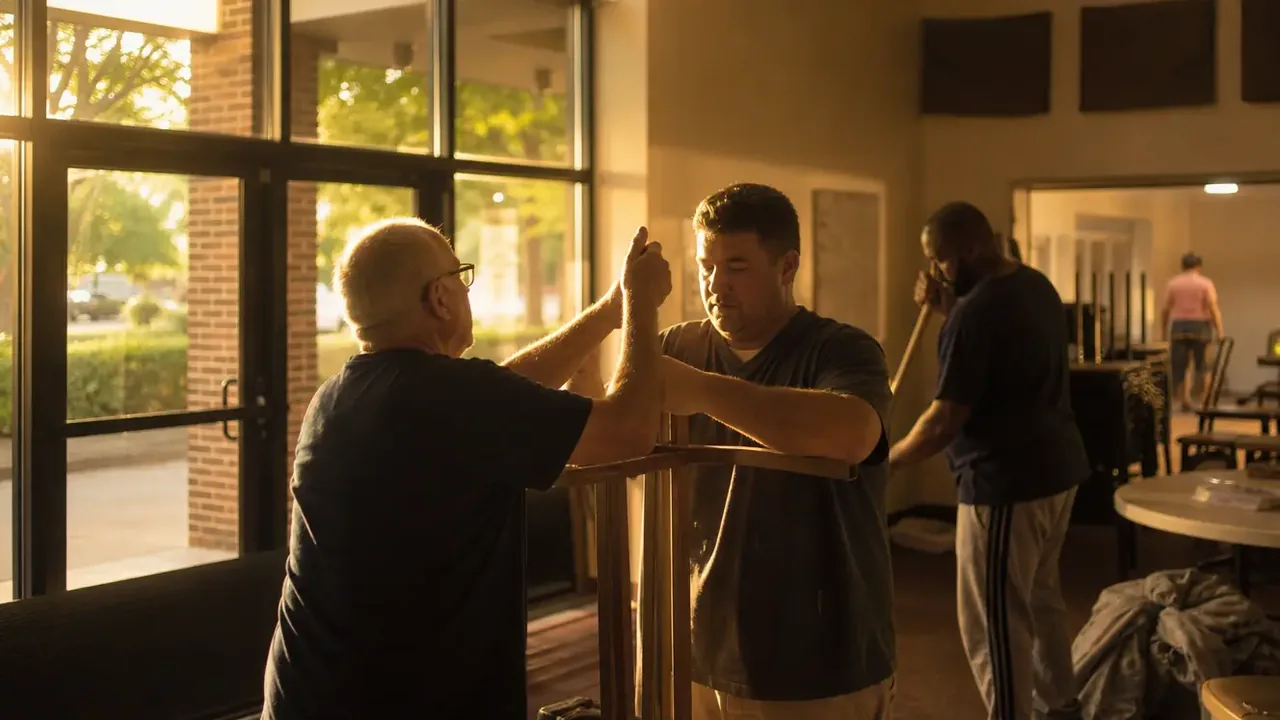
Somewhere in your congregation's past, a property committee was formed. Nobody quite remembers when. There may be a line in the bylaws, or a paragraph in a constitution that also regulates the use of the mimeograph machine. What exists today is two or three faithful people, a chair who has served since a previous decade, and a vague congregational understanding that "the property folks handle that." It works, until the chair retires, or the boiler dies, or a renovation question arrives that is too big for a group that has never had to explain how it decides anything.
We want to make the case for chartering, or re-chartering, your property committee on purpose. Not because the current arrangement is failing, but because a committee with a written mandate, a humane size, and a rotation plan is easier to serve on, easier to recruit for, and far easier to hand to the next generation. The goal is not bureaucracy. The goal is that caring for the building becomes a role people can pick up and put down, instead of a life sentence quietly served by whoever failed to step backward.
Depending on your polity, this committee may answer to a session, a vestry, a council, a board of trustees, or the congregation directly. The chartering questions are the same in every tradition; only the signatures change.
What a Charter Actually Says
A committee charter is one page. If it runs longer, it has begun legislating things that should stay judgment calls. The useful page answers five questions:
- What is ours to decide, and what is ours to recommend? The single most common source of property-committee friction is ambiguity here. Can the committee spend up to a stated amount without a vote? Can it hire a contractor? Can it change the thermostat schedule, or only propose to? Write the boundary down, with a dollar threshold if your governance allows one, and the friction largely evaporates.
- Who do we answer to, and how often do we report? A committee that reports briefly at every board meeting stays trusted. A committee that surfaces once a year with a large invoice gets questioned about everything.
- How many people, serving how long? More on both below.
- Who calls the meetings and keeps the record? A chair and someone taking minutes. Two named roles are enough.
- What do we explicitly not do? Money counting belongs to the finance side. Anything structural, electrical, or off the ground belongs to licensed professionals. And decisions that will stir the congregation (reseating, renovations, changes to beloved rooms) belong to a process wider than the committee, as we describe in our guide to running a reseating committee.
The last question matters more than it looks. A committee that knows what is not its job is protected from the slow scope creep that turns "look after the building" into "be responsible for everything nobody else wanted."
The Right Size Is Smaller Than You Think
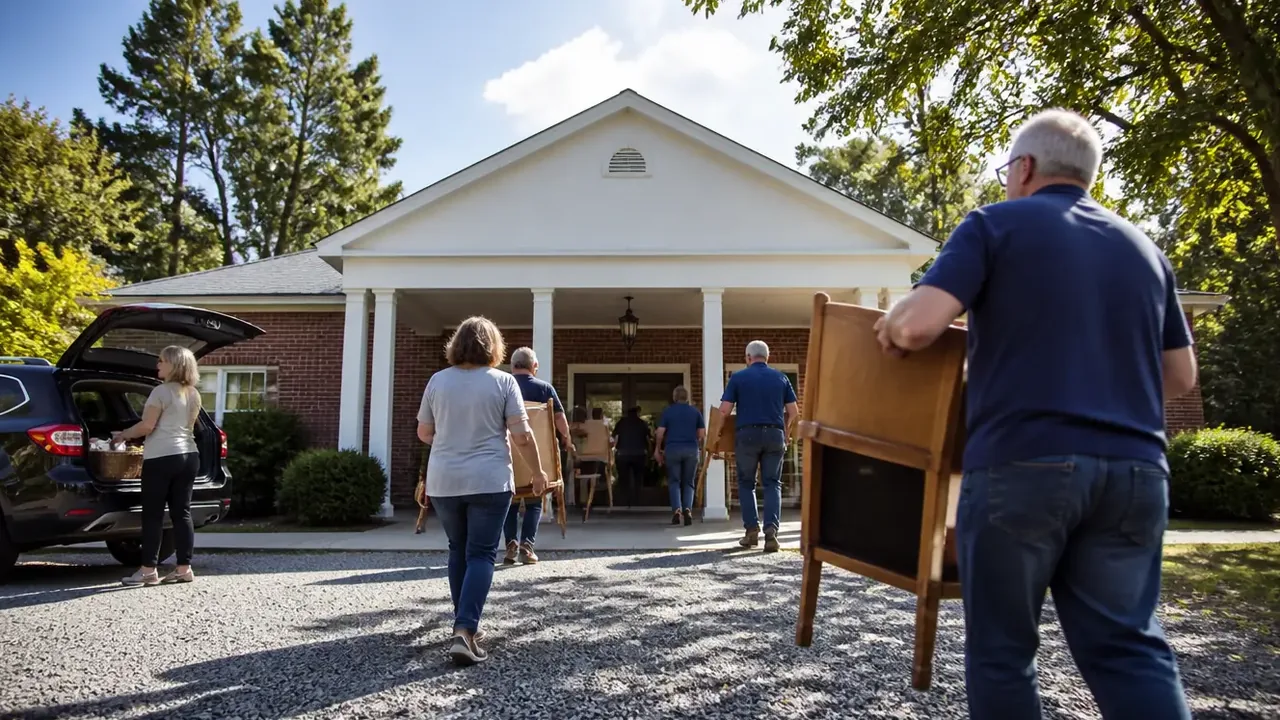
Property committees fail at both extremes. A committee of one is not a committee; it is a volunteer with a title and no witnesses, and however saintly that person is, the arrangement serves neither them nor the congregation. A committee of ten is a small parliament, where the practical people stop coming because the meetings are all discussion and no doing.
The congregations we hear from land, again and again, between three and five members. That is enough for a second opinion, enough to divide a facilities walk-through, and small enough that a meeting can happen in a hallway after worship when it needs to. If more people want to help, wonderful. Keep the committee small and keep a wider list of workday volunteers, seasonal helpers, and people willing to be phoned when the snow needs shoveling. Serving on the list is a lighter yes than serving on the committee, and lighter yeses are how new people start.
Recruit deliberately for one more thing: at least one member who did not grow up in the building. Familiarity is a form of blindness: the longtime member literally cannot see the water stain anymore, the way you cannot hear your own refrigerator. Fresh eyes are a committee asset, and the same principle powers a good volunteer facilities audit.
Agendas, Minutes, and the Dignity of the Record
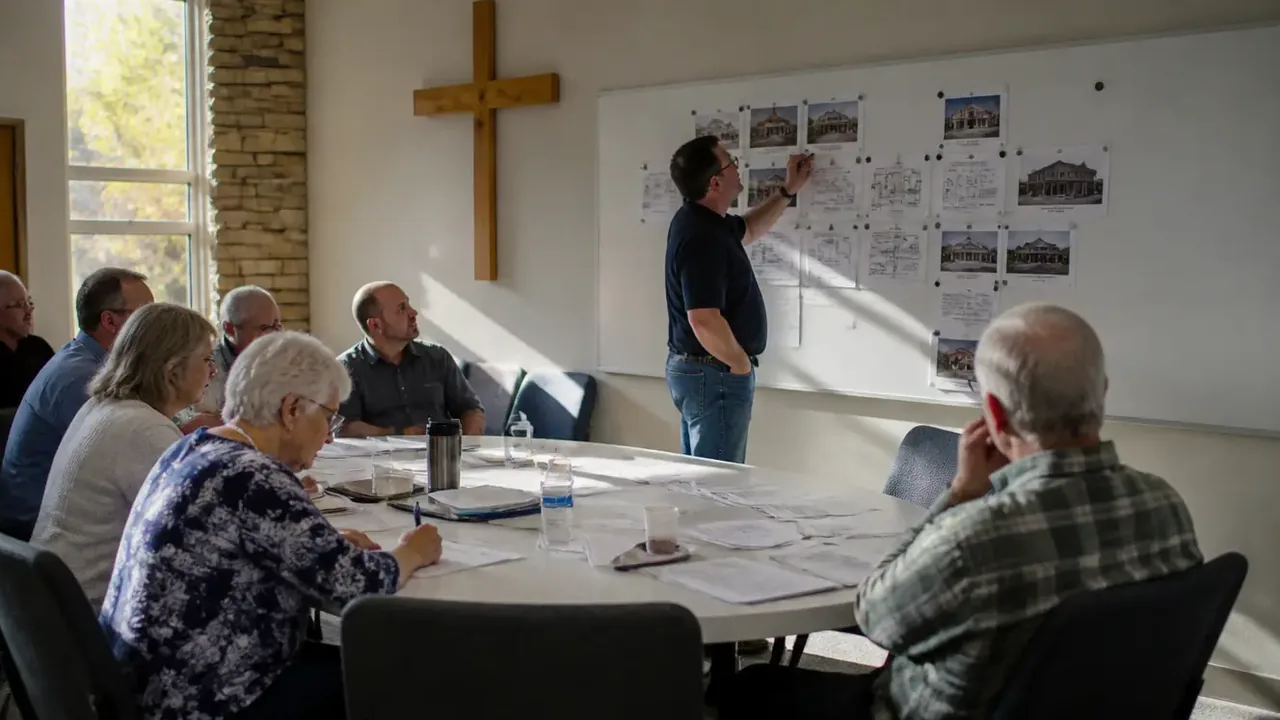
Property committees are practical bodies, and practical people are often allergic to paperwork. Resist the allergy on two documents only.
The agenda can be three lines, but it should exist, and it should begin the same way every time: what did we say we would do last meeting, and did we do it? A standing first item of accountability keeps a committee honest without anyone having to be the enforcer.
The minutes matter more than anyone believes until the year they are needed. Not prose: a dated record of what was decided, what was spent, who was hired, and what was observed. When a contractor asks what year the parking lot was sealed, the minutes know. When a member questions why the committee chose one plumber over another, the minutes remember the three quotes. Minutes are not bureaucracy; they are the committee's memory and its defense, and they feed directly into the property binder we describe in maintenance as stewardship.
A decision that is written down once never has to be re-argued from scratch. A decision that lives in someone's memory gets re-litigated every time the membership changes.
Terms, Rotation, and the Burnout Problem
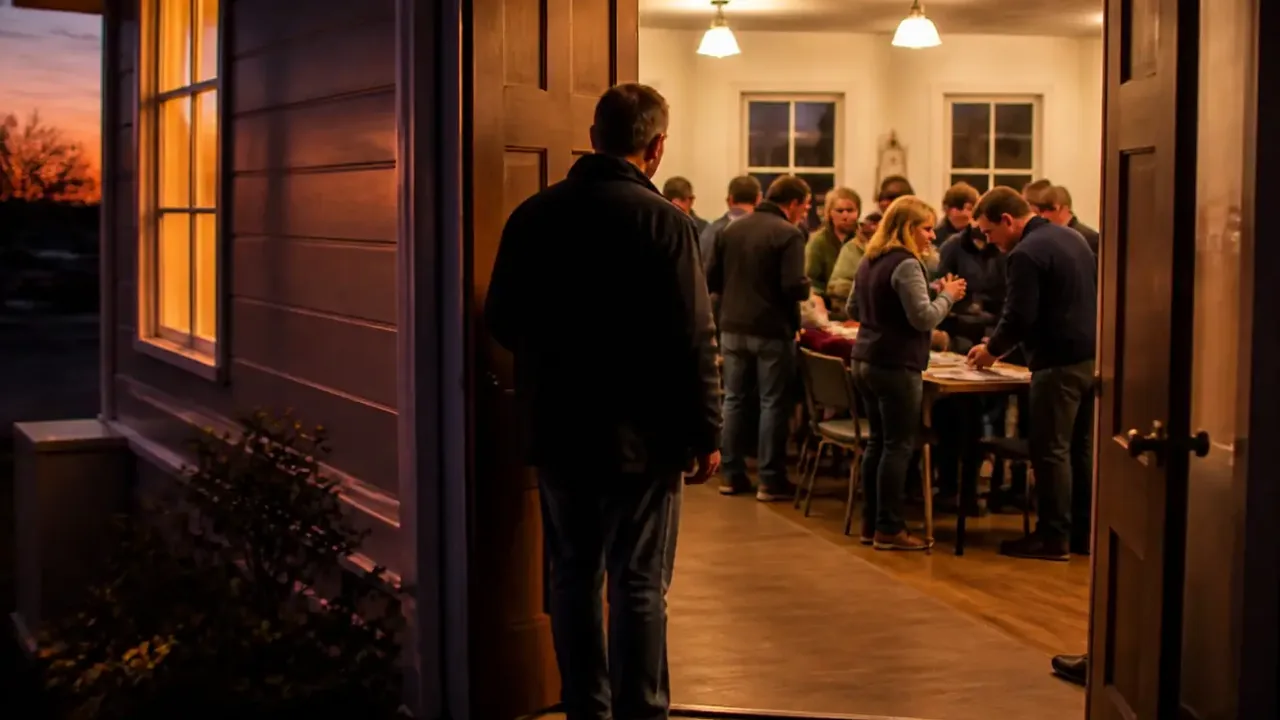
Here is the uncomfortable pattern: the property chair who serves for fifteen years is usually a gift for the first five, a fixture for the next five, and a single point of failure for the last five. Not because their judgment fades, often it sharpens, but because everything migrates into their head. The contractor relationships, the location of the water shutoff, the reason the east door sticks in April. When they finally step down, the congregation loses not a volunteer but an archive.
Terms and rotation are the remedy, and they are kinder than they sound. A defined term (three years is common, renewable once) gives a volunteer a dignified exit that requires no confession of exhaustion. Staggered terms mean the committee never turns over all at once. And the mere existence of an end date changes behavior along the way: a chair who knows a successor is coming writes things down, introduces the plumber to a second person, and lets others hold keys.
Burnout in property work rarely announces itself. It looks like the same two names on every sign-up sheet, the chair who stops asking for help because asking takes longer than doing, the quiet resentment that arrives around year eight. A congregation that loves its building stewards builds them a structure where rest is normal. That is not administration. That is care.
Where the Committee Sits in Your Polity
Traditions distribute property authority differently, and it is worth knowing your own arrangement rather than assuming. In some churches, trustees hold legal responsibility for the property and the committee works under them. In others, the session, vestry, or council holds it all, and the committee is purely advisory. In congregational polities, big decisions may belong to the members assembled, full stop.
None of these is the wrong answer. The wrong answer is not knowing which one you have, because the day a large decision arrives, the question "who actually decides this?" should take thirty seconds, not a month of bylaw archaeology. If your committee's first chartering conversation does nothing but establish this clearly, it has already paid for itself. And when a question grows past the committee's competence (structural worries, major alterations, anything touching egress or accessibility law), the charter should say plainly that the committee's job is to notice, document, and recommend bringing in the licensed professionals, a threshold we explore in when to bring in an architect. The authority having jurisdiction, as always, has the final word on anything the code touches.
The Handoff Is Part of the Job
Every property committee should operate as if its entire membership will be replaced in three years, because, if the rotation works, it will be. That means the committee's real deliverables are not just a sound building but a transferable one: the binder current, the minutes filed, the shutoffs photographed, the contractors introduced around, the charter reviewed annually and amended when reality has drifted from the page.
A retiring chair's final act should be a walk through the building with their successor, not to transfer anxiety, but to transfer knowledge while it is still cheap. The congregation that institutionalizes this handoff never has to rediscover its own building the hard way.
Charter the committee people can join without fear and leave without guilt, and you will find something surprising: recruitment gets easier. Nobody wants to inherit a mystery attached to a life sentence. Nearly everyone is willing to take a clear job, with company, for a season. Build that, and the building will be looked after for longer than any of us.